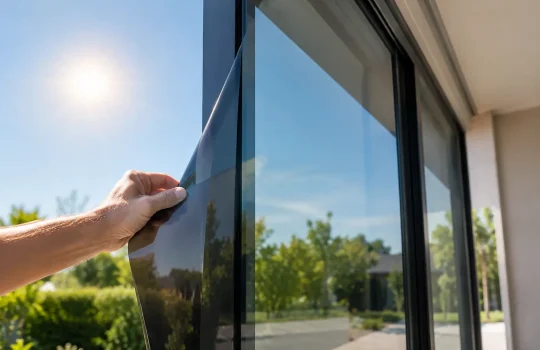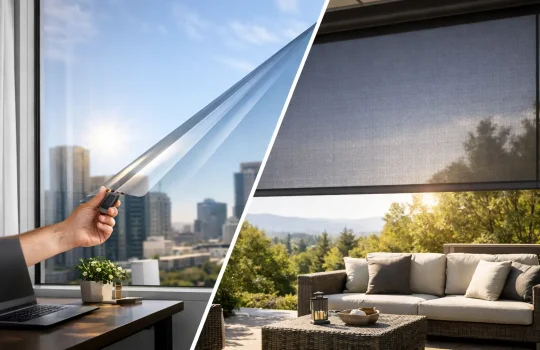
A parked car in Dubai can feel like an oven by midday, and sun-facing glass in a villa or office takes the same daily punishment. So, how long does window tint last? The honest answer is that a well-chosen, professionally installed film can last for years, but its lifespan depends on the film grade, the glass, the environment, and how the installation was prepared.
A warranty period is useful, but it is not the whole story. It tells you how long the manufacturer stands behind certain defects under stated conditions. It does not mean every film will look identical on every vehicle, home, yacht, or commercial facade for that exact number of years. In the UAE, intense sun, high cabin temperatures, dust, salt air near the coast, and frequent glass cleaning all affect the result.
How Long Does Window Tint Last by Application?
For automotive glass, quality ceramic tint commonly performs well for seven to 10 years or more when it is professionally installed and cared for properly. Entry-level dyed films may begin to fade, turn purple, bubble, or lose clarity sooner, especially on rear glass exposed to high heat from defroster lines and direct sunlight.
At Dr SunShield, the automotive ceramic range is structured around both performance and documented coverage: DS-ONE carries a three-year warranty, DS-PRO six years, and DS-MAX 10 years. Those periods help customers compare tiers, but the right choice should still be based on the heat, glare, privacy, appearance, and long-term ownership priorities of the vehicle.
Residential and commercial window film often lasts 10 to 15 years, and sometimes longer on suitable glass with moderate exposure. The film is not exposed to wipers, door seals, or constant handling as automotive film is. However, a large west-facing villa window, high-rise office facade, or glass roof can face far more solar load than a shaded interior window. Glass type and building design matter as much as the film itself.
Yacht window film can have a shorter or more variable service life, often around five to 10 years, because marine glazing deals with salt air, humidity, movement, curved panels, and specialized glass constructions. A marine assessment should come before selecting a film. The objective is not simply to apply the darkest or highest-specification product, but to confirm that the selected film suits the glazing and its operating conditions.
Safety film and switchable Smart Film follow different rules. Safety film is selected for glass retention and thickness, so its condition should be assessed as part of the wider glazing and maintenance plan. Smart Film is an electrical privacy solution, and its lifespan depends on the film system, electrical connections, edge sealing, installation environment, and how the glass is used.
What Determines How Long Window Tint Lasts?
Film quality is the starting point. Better films use more stable dyes, adhesives, coatings, and heat-rejection technology. Ceramic film, for example, is designed to reduce infrared heat without relying solely on a very dark appearance. That can make it a practical choice for drivers who want a clearer look while still addressing cabin heat and glare.
Installation quality is equally significant. Before film goes on, the glass needs careful inspection and cleaning. Dust, adhesive residue, silicone contamination, damaged seals, and hard-to-reach edges can all affect the finish. A clean installation area and disciplined surface preparation reduce the risk of contamination, lifting, and visible defects.
The glass itself also changes the recommendation. Factory-tinted rear vehicle glass, laminated glass, double-glazed units, low-E coatings, patterned glass, and specialty marine glazing do not all behave the same way. Applying solar-control film to unsuitable glass can increase thermal stress or create a result that does not match expectations. This is why a proper assessment should cover glass type, orientation, existing treatments, and the actual problem you are trying to solve.
Then there is exposure. A vehicle parked outdoors every day in Dubai Marina or Business Bay will experience more heat cycling than one kept in covered parking. A villa with broad west-facing windows in Dubai Hills Estate or Palm Jumeirah may need a different film strategy from a shaded apartment. Near the coast, salt residue can also make regular, careful cleaning more necessary.
The First Signs That Tint Is Reaching the End of Its Life
Window film rarely fails all at once. The early signs tend to be cosmetic or localized, starting at an edge, around a dot matrix area, or near a heated rear window.
Look for bubbling, peeling corners, haziness, fading, a purple or brown color shift, scratches in the hard coat, or a cloudy appearance between the film and the glass. On buildings, you may also notice uneven reflectivity, edge lift, or sections where the film no longer looks consistent under changing daylight.
Some marks are not film failure. Water spots, interior haze, residue from unsuitable cleaners, and scratches on the outside of the glass can all be mistaken for a damaged film. A close inspection is more useful than assuming replacement is needed. In some cases, professional cleaning resolves the issue. In others, removal and reinstallation are the sensible route.
If a film begins lifting or bubbling, avoid pulling it off yourself. On automotive rear windows, aggressive removal can damage defroster lines. On residential and commercial glass, adhesive removal can be time-consuming and may require the right tools and controlled methods to protect seals, frames, and nearby finishes.
Warranty Length and Film Lifespan Are Not the Same
A 10-year warranty does not mean film will fail in year 11. It means the manufacturer provides defined coverage for eligible issues within that period. The exact terms matter: warranties may address bubbling, peeling, cracking, delamination, fading, adhesive failure, or color change, but exclusions can apply for glass breakage, pre-existing defects, abnormal cleaning, accident damage, or unsuitable applications.
Ask for the warranty in writing and keep your installation records. For automotive tint, clarify whether the warranty is tied to the vehicle, transferable, and valid across the area where you travel or relocate. For property film, make sure the quotation identifies the glass areas, film type, and any application-specific limitations.
A transparent installer should also distinguish between a manufacturer warranty and an installation workmanship commitment. They address different things. Good workmanship cannot correct an incompatible glass specification, and a premium film cannot compensate for poor preparation.
How to Help Your Window Tint Last Longer
The first few days after installation matter. Film needs time to cure, and a light haze or small moisture pockets can be normal while the mounting solution evaporates. Cure time varies with weather, film type, and glass location. Do not roll vehicle windows down until the installer says it is safe, and do not judge the final finish too early.
After curing, clean tinted glass with a soft microfiber cloth and an ammonia-free cleaner. Avoid abrasive pads, harsh powders, blades, and strong solvents. For vehicle tint, be gentle around edges when cleaning and avoid attaching suction-mounted accessories directly over newly installed film.
For homes and offices, use a soft cloth rather than rough paper towels, especially if dust has built up on the glass. Rinse or wipe away loose grit first. On yachts, remove salt residue regularly using appropriate cleaning products and follow the aftercare guidance for the specific glazing and film system.
Physical damage is not always avoidable. Seat belts can strike side windows, pets can scratch film, and furniture or cleaning equipment can catch an edge. Careful daily use will not make a low-quality film last forever, but it protects the clear topcoat and edges that determine how tidy the installation looks over time.
When Replacement Is Worth It
Replacement makes sense when the film is visibly failing, no longer meets your comfort needs, or was selected for the wrong purpose in the first place. A dark film may offer privacy but still leave a room uncomfortably hot if infrared rejection was not part of the specification. Conversely, a very reflective exterior film may reduce solar gain but alter a building’s daytime appearance more than expected.
Before replacing old tint, assess what has changed. Is the main concern heat in a parked vehicle, screen glare in an office, fading furniture in a villa, daytime privacy, or safety after glass breakage? A solar-meter demonstration can compare transmission readings between films, but it should be treated as a comparison tool, not a promise of one exact indoor temperature.
The best time to think about lifespan is before installation, not when bubbles appear. Choose the film that addresses the actual exposure and use case, confirm the glass is suitable, and follow the aftercare advice. That approach gives window tint its best chance to remain clear, effective, and worth having for years.