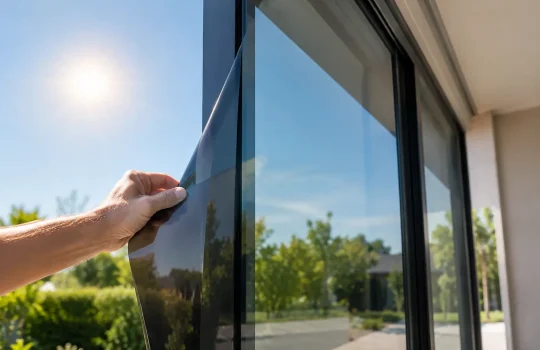
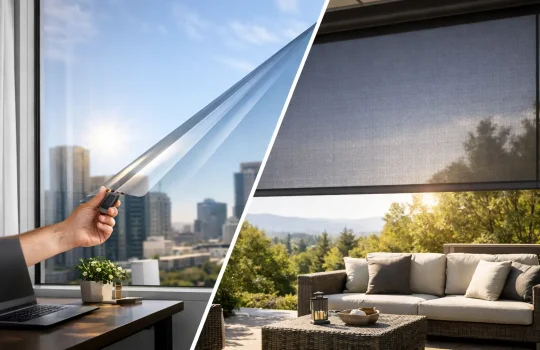
A dark window is not automatically a cooler window, and a light-looking film is not automatically a weak one. The phrase “best tint shades UAE” covers a much bigger decision than choosing black, gray, or mirrored glass. In the UAE, the right choice depends on where the glass sits, how much direct sun it receives, whether privacy matters, and how much natural light you want to keep.
For a car parked outdoors in Dubai, the priority may be reducing cabin heat while maintaining clear visibility. For a villa with west-facing windows, it may be cutting afternoon glare without turning the living room into a dim space. An office in Business Bay may need more comfortable screen use and a consistent exterior appearance. The best shade is the one that addresses that specific problem without creating a new one.
Best Tint Shades in the UAE Start With Visible Light
Tint shade is usually discussed through Visible Light Transmission, or VLT. This is the percentage of visible light that passes through the glass and film together. A higher VLT means a lighter appearance and more daylight inside. A lower VLT means a darker appearance and more privacy.
A light tint, often in the 50% to 70% VLT range, can preserve a bright, open feel while softening glare and improving comfort. It is commonly suitable where appearance and daylight matter as much as heat control. Medium shades, often around 30% to 50% VLT, create a more noticeable privacy effect and can be useful for vehicles, offices, and rooms with strong side exposure. Darker shades provide greater daytime privacy and a more defined look, but reduce visibility after sunset and can make interior spaces feel enclosed.
The number alone does not tell the full story. The existing glass already absorbs some visible light, so the final installed VLT is different from the film’s standalone specification. A professional recommendation should account for the glass type, not just the shade printed on a sample card.
Heat Rejection and Shade Are Different Things
One of the most common misunderstandings is that darker tint always blocks more heat. It can help, but film construction matters more than color alone.
Quality ceramic films are designed to reject a significant portion of infrared heat while remaining relatively light and clear. That means a vehicle owner can choose a lighter tint for visibility and still achieve meaningful heat reduction. The same principle applies to home and office glass. A pale, neutral solar-control film may be the better choice for a bright room that needs comfort but cannot lose much daylight.
This is why comparing films only by darkness often leads to disappointment. A cheaper dark film may look private but offer limited solar performance, while a higher-grade ceramic option can remain discreet and deliver stronger infrared rejection. At Dr SunShield, the ceramic range is structured in tiers – DS-ONE, DS-PRO, and DS-MAX – so the decision can be based on the required heat performance and warranty level, rather than simply selecting the darkest available shade.
A live solar-meter demonstration can help illustrate how a sample transmits visible light, ultraviolet, and infrared energy. It is useful comparative evidence, but it is not a promise of exactly how a full room or vehicle will feel in every condition. Glass size, sun angle, interior materials, ventilation, and exterior shading all affect real-world comfort.
Choosing Car Tint Shades Without Sacrificing Visibility
For automotive tinting, the best shade is usually a balance between daytime comfort, nighttime visibility, privacy, and the vehicle’s existing factory glass. Many modern cars already have privacy glass on rear windows, which can make an additional dark film appear much darker than expected.
A light ceramic tint can suit drivers who want a clean factory-style appearance, better comfort, and clear vision in parking structures or at night. A medium tint is often preferred by drivers who want stronger daytime privacy and a more noticeable visual change. Dark rear windows can be practical for families, especially where rear-seat privacy and sun control are priorities, but the final shade should remain usable for the people who drive the car most often.
Legal requirements should also be confirmed before installation. Vehicle tint rules can change, and the acceptable setup may depend on the vehicle, window location, and current local enforcement. A responsible installer should discuss the practical use of the vehicle rather than making broad claims that every shade is suitable for every driver.
For front windshields and front-side windows, clarity matters. A very dark choice can create avoidable difficulty in low-light conditions, during rain, or when checking mirrors and side roads. Heat rejection is often the better priority here, which is where a high-performance lighter ceramic film can make sense.
Best Tint Shades UAE Homes Need Are Usually Neutral
Residential window film has to work with the architecture as well as the sun. Homeowners in Palm Jumeirah, Dubai Hills Estate, Emirates Hills, and similar sun-exposed communities often want cooler rooms and protected interiors without changing the character of their windows.
Neutral light-to-medium shades are often the most adaptable option for homes. They can reduce glare on televisions, protect furnishings from UV exposure, and make rooms more comfortable while retaining a natural view outside. Gray and neutral tones tend to work well with contemporary finishes because they do not add a strong blue, bronze, or green cast to the glass.
Darker shades may suit a bedroom, media room, or a highly exposed side elevation, but they are not always the answer for a main living space. During the day, tinted film improves privacy because it makes the brighter side of the glass harder to see through. At night, when interior lights are on, that effect is reduced. If complete privacy is needed after dark, curtains, blinds, or switchable Smart Film may be more appropriate than choosing an excessively dark solar film.
Smart Film is particularly useful for internal glass partitions, bathroom glazing, meeting rooms, and areas where privacy must change on demand. It solves a different problem from solar tint and should be specified accordingly.
Office and Commercial Glass Needs a Measured Approach
Commercial spaces often have competing requirements. A tenant may want less glare at workstations while a building manager wants a consistent façade. Retailers may want solar control but still need product visibility. Meeting rooms may need daytime privacy without making the space feel closed off.
For offices, a moderate neutral film is frequently the practical starting point. It can improve comfort around perimeter desks and reduce reflections on screens while keeping a professional, open appearance. Buildings with large curtain-wall systems should be assessed carefully, particularly if the glass is insulated, laminated, coated, or already treated. Applying the wrong film to certain glass types can increase thermal stress, so compatibility should be confirmed before any installation is scheduled.
This is also why sample viewing matters. A film can look subtle on a small piece of glass but become noticeably darker across an entire façade. Looking at samples against the actual windows, at the time of day when the sun is strongest, gives a more useful impression than choosing from a brochure alone.
Do Not Choose a Tint Shade Before Checking These Details
Before selecting a final shade, assess the direction of the sun, the type and condition of the glass, the room or vehicle’s main use, and the desired daytime versus nighttime privacy. Access conditions matter too. A high villa window, a marine-glazing panel, or an occupied office floor may require a different installation plan than a standard ground-level window.
For yachts, the decision needs extra care. Marine glazing can have curved panels, specialist coatings, and demanding exposure to heat, salt, and reflected light. The appropriate shade and film system should be determined after examining the glazing rather than assuming that a car or home film is interchangeable.
Warranty should be part of the conversation, but it should not replace it. A longer warranty may reflect a higher-performance tier and different material construction, yet the best value still depends on what the glass needs to do. Paying for maximum infrared rejection in a shaded room may not be necessary. Choosing a lower-grade film for a car that sits outdoors all day may also be a false economy.
The most useful tint sample is not the darkest one on the table. It is the one you can picture living with at noon, after sunset, and through the hottest months of the year – while still seeing, working, relaxing, and enjoying the view as intended.