
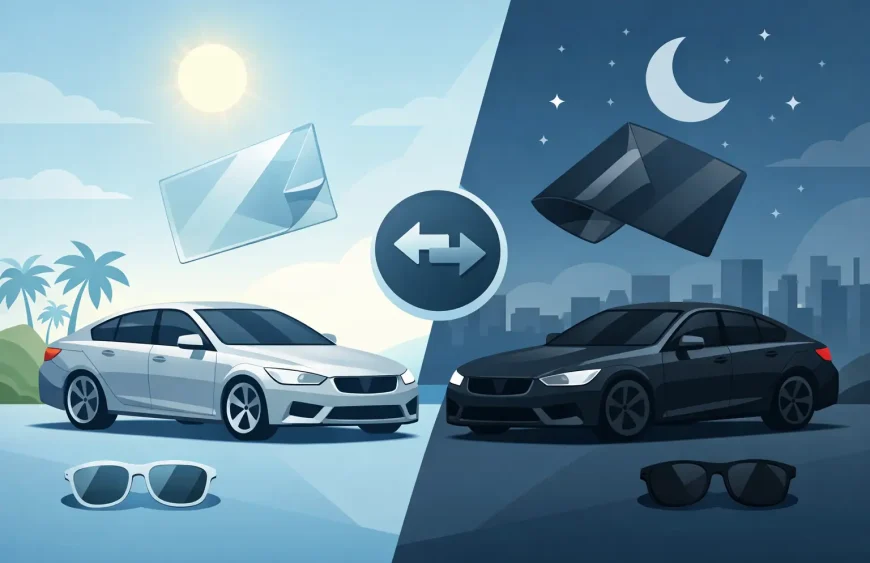
A car can look perfectly comfortable from the outside while the cabin tells a different story. In UAE traffic, the difference between tolerable sunlight and relentless heat often comes down to the glass. DS-ONE versus DS-PRO tint is not simply a choice between an entry option and an upgrade. It is a decision about how much solar heat control you need every day, how long you intend to keep the vehicle, and what you expect from the film after the installation is complete.
Both are ceramic tint options designed for drivers who want a cleaner, more capable alternative to basic dyed film. Both can support a more comfortable cabin, reduce glare, help protect interiors from UV exposure, and preserve the appearance of the vehicle. The practical distinction is that DS-PRO sits higher in the range for infrared heat rejection and carries longer warranty coverage. That makes it the stronger choice for some cars and driving patterns, but not automatically the right choice for every owner.
DS-ONE versus DS-PRO tint at a glance
DS-ONE is the sensible ceramic choice when you want meaningful everyday solar control without paying for the highest performance tier. It is well suited to drivers who park under cover part of the day, make shorter or mixed journeys, or want a balanced result across heat reduction, privacy, visibility, and budget. DS-ONE carries a three-year warranty.
DS-PRO is for owners who feel the heat load more sharply and want a larger step up in infrared heat rejection. It is a natural fit for cars that spend long hours outdoors, vehicles with large glass areas, darker interiors that get hot quickly, or drivers who are frequently on the road through midday. DS-PRO carries a six-year warranty.
The right comparison is not whether DS-PRO is technically better. It is. The better question is whether its added performance and longer coverage will make a noticeable difference in your own use of the car.
What ceramic tint changes in daily driving
Ceramic film is selected for performance, not just darkness. A darker shade may create more privacy and reduce visible light, but shade alone does not tell you how well a film manages solar energy. Two films can look similar from the outside while delivering noticeably different results against infrared heat.
That matters in the UAE, where the cabin absorbs heat through the windshield, side windows, rear glass, and roof glass while the car is parked and while it is moving. Tint cannot make a parked vehicle cold under direct sun, and it does not replace air conditioning. What a properly selected ceramic film can do is reduce the solar load coming through treated glass. In practical terms, that can mean less glare, a cabin that feels less punishing when you return to it, and less work required from the AC to maintain comfort.
DS-ONE and DS-PRO both address that daily problem. DS-PRO is aimed at the customer who wants more of that heat-control benefit, particularly during long exposure periods. The difference is often most relevant when the car is parked outside at work, used for school runs and daytime appointments, or driven regularly on open roads where sunlight remains on the glass for extended periods.
When DS-ONE is the smarter choice
There is no advantage in paying for a tier that exceeds your real needs. DS-ONE is often the right recommendation for a vehicle that is mostly garaged, used intermittently, or driven mainly in early morning and evening hours. It also suits owners who want ceramic-film benefits and a refined finish but are working to a clear budget.
For many city drivers, the result can feel like a substantial improvement over untinted glass or lower-grade tint. The cabin remains brighter and more manageable, glare is reduced, and the film provides UV protection while retaining a clean OEM-style appearance when the shade is chosen carefully.
DS-ONE can also be the practical option for a car that may be sold within a few years. Its three-year warranty aligns well with a shorter ownership horizon. That does not mean it is a temporary product. It means the warranty period and performance level may be proportionate to how you plan to use and keep the vehicle.
The key is to avoid choosing it solely because it is the lower-priced option. Choose it when its balance is genuinely enough for your parking conditions, drive time, and comfort expectations.
When DS-PRO earns the upgrade
DS-PRO makes more sense when heat management is the central priority rather than a welcome extra. If you regularly open the door after several hours in an uncovered parking lot and immediately feel heat radiating from the seats, dashboard, and door panels, the stronger infrared rejection can be worthwhile.
It is also a good match for SUVs, family vehicles, executive sedans, and cars with expansive side or rear glass. More glass can mean more light, better views, and a more open cabin, but it also creates more area for solar energy to enter. The same applies to panoramic roof glass, although every glass type should be assessed individually before a recommendation is made.
The six-year warranty is another meaningful part of the DS-PRO value. Owners who keep their vehicles longer may prefer the additional coverage and the confidence of installing a higher-tier film from the outset. For a premium vehicle or a car used every day, upgrading once can be more sensible than wishing you had selected stronger heat rejection after the first summer.
Still, DS-PRO is not a promise that you will never feel heat. Cabin temperature is affected by windshield exposure, the vehicle’s insulation, exterior color, interior materials, parking direction, sunroof area, ventilation, and how long the car has been sitting. A candid comparison accounts for those factors rather than treating a single film specification as the whole answer.
Shade, privacy, and visibility are separate decisions
A common mistake is to treat performance and shade as the same choice. They are related, but they are not identical. You may prefer a lighter shade for better nighttime visibility and a more natural exterior look, while still choosing DS-PRO because heat rejection is important. Or you may prioritize daytime privacy and select a darker appearance, while DS-ONE remains appropriate for your usage.
The best shade depends on the vehicle, the glass already fitted by the manufacturer, your night-driving habits, and local tint regulations. A film should be selected and installed in a way that respects applicable UAE requirements. The fact that a shade looks good on another car does not automatically make it suitable for yours.
Rear and side windows also deserve separate consideration from the windshield. Windshield treatment, where permitted and appropriate, involves its own visibility and compliance considerations. A professional recommendation should look at the full vehicle rather than applying one shade or one tier everywhere by default.
How to compare the films properly
Marketing numbers can be useful, but they are easier to understand when you see the comparison. Dr SunShield can use a live solar-meter demonstration to show how sample films transmit solar energy under the meter. This gives a practical way to compare DS-ONE and DS-PRO before installation, especially when the films look close in shade.
A meter demonstration is a comparison tool, not a guarantee of an exact cabin-temperature drop. Real-world results vary with the vehicle and conditions. It does, however, help make the performance difference more visible than a brochure alone.
The installation process matters as much as the sample. Proper surface preparation, careful film shaping, clean application, and realistic curing guidance affect both appearance and long-term results. Small moisture pockets or a light haze can appear during the normal curing period, depending on conditions, and should be explained clearly rather than mistaken for a finished defect.
Choose for the heat you actually live with
If you want a capable ceramic tint for normal daily use, DS-ONE is often the balanced and cost-conscious answer. If your vehicle faces prolonged outdoor exposure, you place a high value on stronger infrared heat rejection, or you plan to keep the car for years, DS-PRO is usually the more compelling investment.
Start with where the car sits between 11 a.m. and 4 p.m., not with the darkest shade on a display board. That one detail often makes the right tier much clearer.





Heat Rejection: What It Means for Your Glass - Dr SunShield
September 14, 2026 at 3:15 am[…] Dr SunShield, ceramic automotive film is offered in DS-ONE, DS-PRO, and DS-MAX tiers. The tiers are designed around escalating infrared heat rejection and include […]