

A west-facing glass wall can turn a comfortable room into the hottest part of a villa by midafternoon. The same is true for a vehicle parked outside for an hour. So, does reflective tint work? Yes, when the problem is direct solar exposure, glare, and daytime visibility. But “reflective” describes an appearance and a performance characteristic, not a guarantee that every mirrored film will be the right answer for every window, vehicle, or yacht.
The useful question is not simply whether a film looks reflective from outside. It is what heat, glare, privacy, or appearance problem you need it to solve, and whether the glass can safely accept that particular film.
How reflective tint works
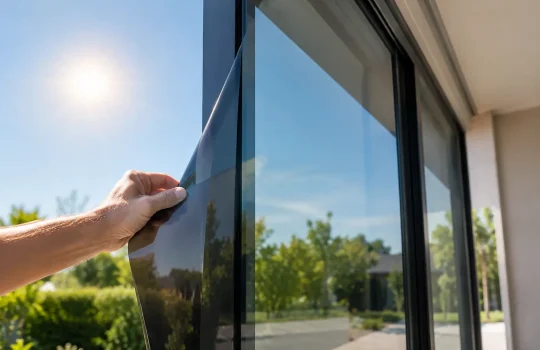
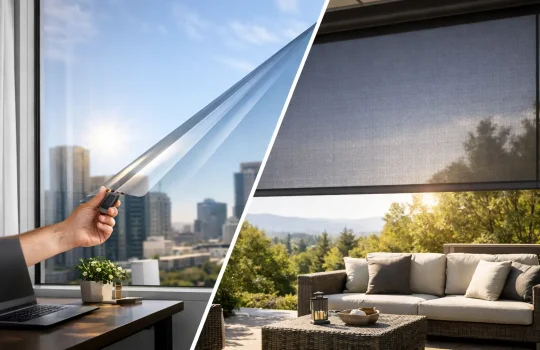
Reflective window film uses a metallized or reflective layer to send part of the sun’s energy back away from the glass. It can reduce visible glare and limit solar heat gain before that energy enters the cabin or room. From outdoors during daylight, it can also make the glass harder to see through.
That makes it a practical option for sun-exposed offices, shopfronts, villas, and certain marine-glazing applications. On a building with large windows facing west or south, a properly selected reflective film can noticeably improve comfort near the glass, reduce harsh screen glare, and help protect furnishings from UV exposure.
Its performance still depends on more than reflection. A film’s visible light transmission, total solar energy rejection, infrared rejection, UV filtration, and installation location all affect the result. Two films can look similarly silver from the street while delivering different heat control, interior visibility, and durability.
Does reflective tint work for heat rejection?
It can, particularly where direct sunlight is the main source of discomfort. Reflective films are effective at reducing a portion of the solar load striking the glass. In a hot climate such as the UAE, that can make a meaningful difference in rooms with broad exposed glazing and in vehicles with strong sun exposure.
However, reflective film is not a substitute for insulation, correctly sized air conditioning, shaded outdoor areas, or well-designed glazing. If a room is hot because of an uninsulated roof, open doors, poor AC distribution, or heat entering through several surfaces, treating one wall of glass will not solve every comfort issue.
The same principle applies in a car. Reflective or metallized tint can reduce solar intensity, but a vehicle’s cabin temperature also depends on windshield exposure, parking time, interior materials, ventilation, and the film installed on each permitted window. A quality film improves the conditions; it does not make a vehicle immune to Dubai summer heat.
For customers whose priority is heat rejection with a lighter, less mirrored appearance, ceramic film is often the better conversation. Ceramic films are designed to reject heat without relying on a strongly reflective finish. This can be especially useful for premium vehicles, residential windows where the facade appearance matters, and offices that want glare control while maintaining a more neutral exterior look.
Reflection helps privacy, but only in daylight
Reflective tint is often chosen for daytime privacy. When it is brighter outside than inside, the reflected exterior light makes it harder for people outdoors to see into the space. This works well for many ground-floor offices, villa windows, and commercial premises during the day.
At night, the effect reverses if interior lighting is stronger than outdoor light. People outside may be able to see in, even though the glass appeared mirror-like earlier. This is one of the most common misunderstandings with reflective film.
If privacy is required around the clock, reflective tint alone is not the complete solution. Curtains, blinds, shutters, frosted privacy film, or switchable Smart Film may suit the use case better. Smart Film is particularly relevant where occupants need clear glass and open views at some times, then privacy on demand at others.
The trade-off: glare control versus natural light
A reflective finish can cut uncomfortable glare effectively, especially in offices where sun falls across monitors or meeting-room screens. Yet stronger reflection and darker visible-light transmission can also reduce the amount of natural light reaching the interior.
That is not automatically a disadvantage. A bright, west-facing reception area may benefit from a darker film, while a north-facing living room with limited daylight may not. The best choice depends on orientation, window size, surrounding shade, interior finishes, and how the room is used.
For example, a glass-fronted office in Business Bay may need better daytime screen comfort without making the workspace feel closed in. A neutral solar-control film with good glare reduction may be more appropriate than a highly reflective option. A villa with exposed upper-floor windows may prioritize outside privacy and heat control, making a reflective film worth considering if the building’s appearance allows it.
Reflective tint is not right for every glass type
This is where an installer-led assessment matters. Adding any solar-control film changes how glass absorbs and releases heat. On some panes, especially certain insulated glass units, older glazing, laminated glass, or glass already fitted with a low-E coating, the wrong film can increase thermal stress.
That does not mean these windows cannot be filmed. It means the glass construction, condition, dimensions, edge detail, existing coatings, and sun exposure should be checked before a recommendation is made. A suitable film may need to be lighter, installed on a particular side of the glass, or avoided entirely in favor of another solution.
Yacht glazing requires the same care. Curved panels, marine exposure, visibility needs, and the manufacturer’s glazing specifications can all affect compatibility. The goal is to improve comfort and UV control without treating a complex glass system as if it were an ordinary flat window.
Appearance matters more than people expect
Reflective film changes the exterior character of a building. During the day, it can create a crisp, uniform facade, but it may also look noticeably mirrored next to untreated windows. In villas and apartment buildings, community guidelines or landlord approvals may apply. For commercial tenants, a property manager may have specific rules about storefront and facade changes.
Inside, reflective films can create a subtle mirror effect under certain lighting conditions. Some people like the added daytime privacy; others prefer a clearer, more natural view. Looking at samples against the actual glass is more reliable than selecting from a small catalog image.
For automotive applications, appearance is only one consideration. Visibility, local tint rules, driving conditions, and signal performance should be discussed before fitting. Some metallized films can affect radio, GPS, mobile, or keyless-entry signals in certain vehicles. Ceramic alternatives are often preferred when signal clarity is a concern.
What a solar-meter demonstration can and cannot show
A live solar-meter comparison can be useful because it lets you see how a film changes transmitted solar energy relative to untreated glass. It is a practical way to compare film tiers and understand why two shades that look similar may perform differently.
It should not be treated as a complete prediction of your room temperature, AC bill, or vehicle cabin temperature. Meter readings are controlled demonstrations. Real-world results also depend on glass area, orientation, frames, air gaps, shading, interior loads, and the amount of time the sun hits the surface.
At Dr SunShield, the right approach is to use the demonstration as one part of the recommendation, then match the film to the actual glass and the priority behind the inquiry. Sometimes reflective film is the sensible answer. Sometimes a ceramic, neutral, privacy, safety, or switchable option is a better fit.
When reflective tint is a good choice
Reflective tint is worth considering when direct sun and harsh glare are the dominant issues, daytime privacy is useful, and a mirrored exterior finish suits the vehicle or property. It is often effective on highly exposed commercial glazing and selected residential windows where occupants want a noticeable reduction in solar intensity.
It is less suitable when you need nighttime privacy, want an almost invisible finish, have sensitive or unknown glass construction, or need maximum signal compatibility in a vehicle. Those situations call for a different film category or a layered solution.
Before choosing by shade alone, assess the glass in the strongest sun, the time of day the problem occurs, and what you are willing to trade in natural light or exterior appearance. That small amount of planning is what turns reflective tint from a cosmetic change into a useful, long-term comfort improvement.





Best Bathroom Privacy Options for UAE Homes - Dr SunShield
September 7, 2026 at 9:28 am[…] or reflective film can reduce visibility from outside during the day, but it is not a dependable bathroom privacy […]