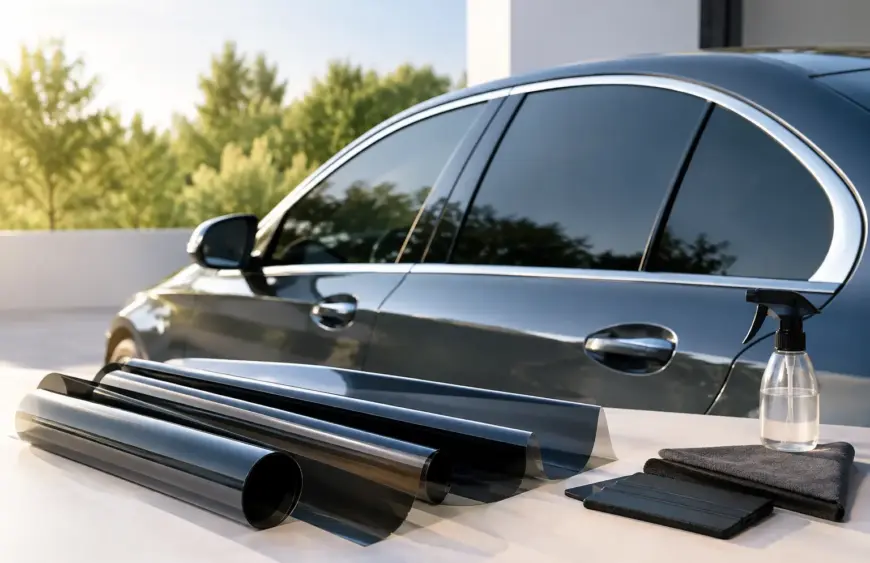
A DS-MAX tint review should answer a practical question: when your car has been sitting outside in Dubai sun, will this film make the cabin noticeably easier to live with? DS-MAX is the top tier in Dr SunShield’s ceramic tint range, designed for drivers who want the strongest available infrared heat rejection, a clear finish, and long-term coverage. It is not automatically the right choice for every vehicle. But for a daily driver, premium car, family vehicle, or heavily sun-exposed commute, the upgrade can be easy to justify.
What DS-MAX Ceramic Tint Is Designed to Do
DS-MAX is a premium ceramic automotive window film. Ceramic technology is valued because it targets solar heat without relying on metalized layers that can affect signal reception or create a highly reflective appearance. The aim is to reduce the radiant heat that makes a parked or moving vehicle feel oppressive, while maintaining a clean look through the glass.
The practical benefits are broader than a cooler first few minutes after getting in. Better heat control can reduce the workload on the air conditioning system, make seats and steering wheels less uncomfortable, and help passengers feel more settled on longer drives. It also filters UV exposure that contributes to fading and wear on leather, dashboards, trim, and other interior finishes.
That does not mean tint eliminates heat entirely. Heat also enters through the windshield, roof, body panels, open doors, and the hot surfaces already inside the car. Film performance depends on the vehicle’s glass area, windshield design, parking conditions, chosen shade, and whether factory privacy glass is already present. A credible recommendation accounts for those details rather than promising that any film will make a car cold.
DS-MAX Tint Review: Where It Stands in the Range
Dr SunShield offers three ceramic tiers: DS-ONE, DS-PRO, and DS-MAX. The difference is not simply a darker appearance. The range steps up in infrared heat rejection and warranty coverage, from three years for DS-ONE to six years for DS-PRO and ten years for DS-MAX.
DS-ONE can suit drivers who want a capable ceramic upgrade at a more restrained budget, especially where the car is used occasionally or has reasonable factory glass performance. DS-PRO is often the middle-ground choice for regular UAE driving, balancing stronger heat control with cost. DS-MAX is for owners who place the greatest value on heat reduction, clarity, and a longer ownership horizon.
The strongest case for DS-MAX is not that every driver needs the top tier. It is that the difference matters most when the vehicle is exposed to intense sun repeatedly. If you commute daily, park outdoors at work, carry children, drive clients, or simply dislike the lingering heat that remains after the AC starts running, the upper tier has a clearer purpose.
The 10-Year Warranty Matters, With Context
A ten-year warranty gives DS-MAX an advantage for owners planning to keep their vehicle. It provides more reassurance against qualifying film defects over time than a shorter coverage period. Still, warranty length should not be the only reason to choose a film.
Ask what the warranty covers, retain your documentation, and follow the aftercare guidance provided after installation. Film also needs to be fitted correctly to perform and look right. A premium material installed over contamination, poor edge preparation, or unsuitable glass is not a premium result.
Heat Rejection Versus Darkness
One of the most common mistakes in tint selection is treating darkness as a direct measure of heat performance. Darker film can add privacy and reduce visible light, which may make a cabin feel more shaded. But the film’s solar and infrared control is what determines how effectively it manages heat.
This matters for drivers who want a light or medium shade for night visibility, a factory-style appearance, or local compliance requirements. A high-grade ceramic film can be the better choice when you want meaningful heat control without making the windows look excessively dark.
The right shade still depends on how and where you drive. A customer who spends most evenings on unlit roads may prioritize outward visibility. Someone parking in open lots around Dubai Marina, Business Bay, or Jumeirah may put more weight on heat and daytime privacy. There is no single best shade for every driver, and legal tint limits should be confirmed before installation.
What a Solar Meter Demonstration Can Tell You
A live solar-meter demonstration is useful because it lets you compare film samples rather than rely on labels alone. Dr SunShield uses an EDTM SP2065 solar transmission meter where appropriate to demonstrate how samples transmit or reject different parts of solar energy. It is a practical way to see why two films with a similar darkness can perform differently.
The meter is not a promise that your entire car will reach one exact temperature. It measures film samples under controlled conditions, not the full real-world behavior of a vehicle in traffic, shade, or direct afternoon sun. A vehicle’s windshield, roof, interior color, ventilation, and air conditioning all affect the result you feel.
Used properly, the demonstration helps answer the relevant question: compared with another option, how much more solar control is this film designed to provide? That makes it particularly useful when deciding whether DS-PRO is sufficient or DS-MAX is worth the additional spend.
Installation Quality Is Part of the Product
Even excellent ceramic tint can look disappointing if the installation process is rushed. Proper work starts with assessing the vehicle glass, existing tint, defroster lines, seals, access, and any unusual curves or sensors. The glass must be cleaned carefully, templates or cuts must be accurate, and the edges need considered finishing.
Immediately after installation, some moisture haze or small water pockets can appear while the film cures. This is normal within the advised curing period. Large bubbles, lifting edges, trapped debris, or poor alignment are different issues and should be raised promptly with the installer.
For mobile installation, conditions matter. Wind, dust, limited working space, extreme exposure, and unsuitable access can affect whether a mobile appointment is appropriate. A professional installer should be willing to recommend a more controlled location when that is the better route to a clean finish.
Who Should Choose DS-MAX?
DS-MAX makes the most sense for owners who want the highest heat-control tier and expect to benefit from it often. It is especially suited to vehicles parked outdoors, luxury interiors that need added UV protection, family cars used during the hottest parts of the day, and owners who intend to keep the vehicle long enough for the ten-year warranty to carry real value.
It may be more than necessary for a lightly used second car, a vehicle mostly stored indoors, or a driver whose main priority is a darker look rather than maximum solar control. In those situations, DS-ONE or DS-PRO may solve the actual problem for less. Spending more only makes sense when the added performance is relevant to your use.
Before deciding, ask to compare the tiers at your preferred shade, discuss the glass on your specific vehicle, and clarify the total quotation and warranty terms. The best tint choice is the one that improves your everyday drive without compromising visibility, compliance, or the appearance you want. For drivers who face UAE sun day after day, DS-MAX is a credible premium choice when that extra margin of heat control will be felt, not just listed on a specification sheet.