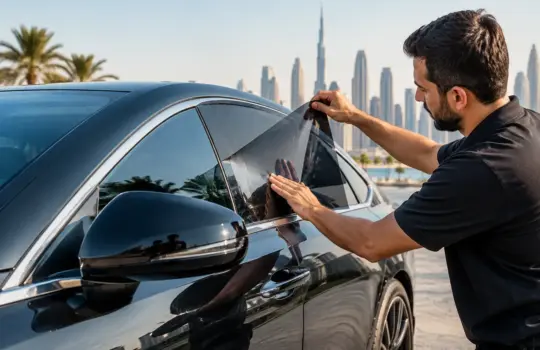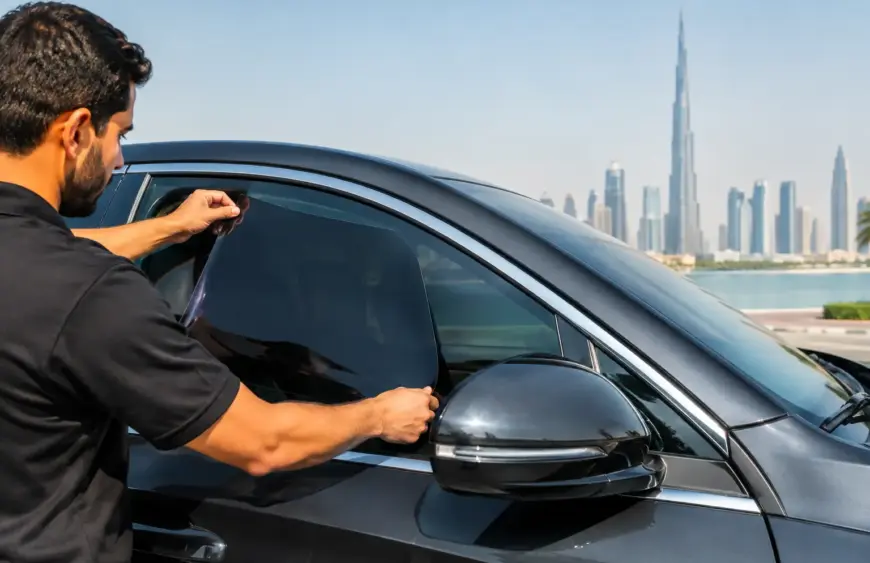
A car parked outside in Dubai can turn into a heat trap before lunchtime. Tint can make a real difference to glare, cabin comfort, and UV exposure, but UAE car tint rules should shape the decision before film is chosen. The darkest-looking option is not automatically the best-performing one, and a film that seems acceptable on another vehicle may not be compliant on yours.
For most private vehicle owners, the practical goal is straightforward: reduce solar heat and improve privacy while keeping the car legal, safe to drive at night, and straightforward to inspect or sell later. That requires more than asking for a percentage. It means understanding how tint is measured, where it can be installed, and how the existing glass affects the finished result.
UAE car tint rules: the practical starting point
The UAE tint allowance is commonly described as permitting up to 50% tint on a private vehicle’s side and rear windows. The front windshield is generally not to be tinted, except where an authority permits a limited sun strip or another specific arrangement. Because enforcement, vehicle classifications, and approved exemptions can change, drivers should confirm the current requirement with the relevant traffic authority before installation.
The 50% figure is also where many misunderstandings begin. Customers may use the phrase 50% tint to describe a film’s appearance, while inspectors and tint meters assess the light passing through the completed window. Those are not always the same thing.
A window already has factory glass, and some vehicles have privacy glass at the rear. Adding film changes the final visible light transmission. A film that is marketed as 50% can produce a darker final reading once applied to glass that was already tinted from the factory. That is why a legal installation should be planned around the finished glass and film combination, not a label on a film roll.
Why the windshield needs special caution
The windshield is the driver’s primary viewing area. Any added darkening can compromise visibility in low light, rain, underground parking, or when spotting pedestrians and motorcycles at the edge of the road. For that reason, do not assume that a dark windshield, a full-windshield heat film, or a broad top strip is permitted simply because it is available for sale.
If windshield heat is a major concern, ask about a clear, non-darkening film only after confirming that it is suitable for the vehicle and allowed under current regulations. A clear film may help with UV and selected solar wavelengths, but it is not a shortcut around a tint restriction. Compatibility with sensors, cameras, head-up displays, and heated glass also needs to be assessed before work begins.
The difference between tint percentage and real performance
Visible darkness is only one part of automotive film performance. It affects privacy and glare, but it does not tell you how well a film manages heat. A high-quality ceramic film can offer meaningful infrared heat rejection while remaining relatively light in appearance. This is often the better route for drivers who want comfort without pushing the legal or practical visibility limits.
When comparing options, ask separately about visible light transmission, UV rejection, glare reduction, and infrared heat rejection. These figures describe different properties. A film can look very dark but offer modest heat control, while a lighter ceramic film can provide stronger thermal performance with better daytime and nighttime visibility.
Live meter demonstrations can be useful when comparing film samples. They help show how different films transmit or reject measured solar energy. However, a demonstration is not a legal certification for the completed vehicle. It cannot account for every curve of glass, factory tint level, installation detail, or how an enforcement meter may assess the window. Treat it as a comparison tool, not a substitute for compliance checks.
What can make an otherwise good tint a poor choice
The wrong film is not always obviously illegal. Sometimes it is simply poorly suited to the driver, vehicle, or local conditions. A very dark rear glass may be manageable for a driver who relies heavily on parking cameras, but it can still make reversing more difficult at night. A highly reflective or mirror-like appearance may attract unwanted attention even if the quoted percentage sounds acceptable.
Color matters too. Films with unusual shades can alter the look of exterior glass and may affect clarity through the window. For most vehicles, a neutral charcoal ceramic film gives the cleanest result and avoids an overly customized appearance. It also tends to complement factory glass better than blue, green, or heavily reflective finishes.
There are also technical considerations. Modern vehicles may have antennas, defogger lines, rain sensors, cameras, and laminated glass sections that require careful handling. An experienced installer should inspect these details before recommending a film rather than treating every car as the same job.
A sensible way to choose legal car tint
Start by deciding what problem you are actually trying to solve. If the cabin feels painfully hot after outdoor parking, heat rejection may be the priority. If sunlight reflects off the dashboard during a daily commute, glare reduction could matter more. If privacy is the main concern, the rear windows may need a different approach from the front doors.
Before approving an installation, make sure the quotation clearly covers these four points:
- the film brand, series, and shade proposed for each window area
- the expected finished appearance, especially where factory privacy glass is present
- the stated warranty period and what workmanship or material issues it covers
- any windshield, sensor, antenna, or glass-compatibility limitations identified during assessment
This level of detail prevents the common situation where a customer expects a light, elegant finish but receives a noticeably darker result, or pays for premium film without knowing what performance tier was installed.
A tiered ceramic range can make the choice easier. For example, a lighter entry-level ceramic film may suit a vehicle that spends most of its time in covered parking, while a higher infrared-rejection tier can be worthwhile for a car parked outdoors throughout the day. The best value is not automatically the highest tier. It is the film that solves the heat and glare problem without creating a visibility or compliance concern.
Exemptions and special cases
Some vehicles or drivers may qualify for special permissions based on medical, security, or official requirements. These cases should be handled through the relevant authority and supported by current documentation. Do not rely on an old approval, a verbal assurance, or another driver’s exemption as proof that your own vehicle is covered.
The same caution applies to imported vehicles. A car may arrive with factory glass that is darker than what is commonly seen in the UAE, or with aftermarket film installed elsewhere. If there is any uncertainty, assess the current glass before adding another layer. Removing unsuitable old film and starting with a known specification is often safer than building on an unknown installation.
Installation quality affects more than appearance
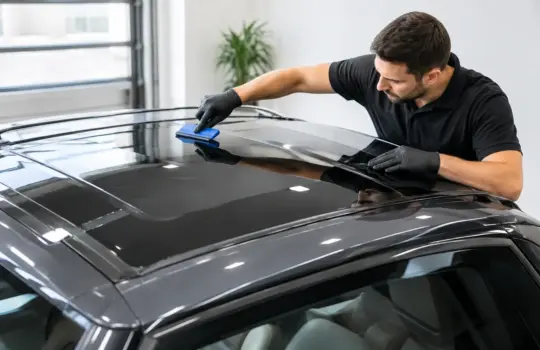
A compliant film can still be disappointing if it is installed carelessly. Contamination, poor edge finishing, trapped moisture, or damage around defogger lines can affect both appearance and long-term durability. Good preparation matters, particularly in a dusty environment where glass must be thoroughly cleaned before film is applied.
After installation, small water pockets or a slightly hazy appearance can be part of the normal curing process. The curing time depends on weather, film type, and the amount of moisture used during fitting. Your installer should explain when to avoid rolling the windows down, what normal curing looks like, and when to report a concern.
For UAE drivers, the safest tint decision is usually a measured one: confirm the current rule, account for the glass already on the vehicle, and choose ceramic performance for the heat you actually experience. Before you book, ask for the final expected finish in plain language. A clear answer is far more useful than a dark promise.