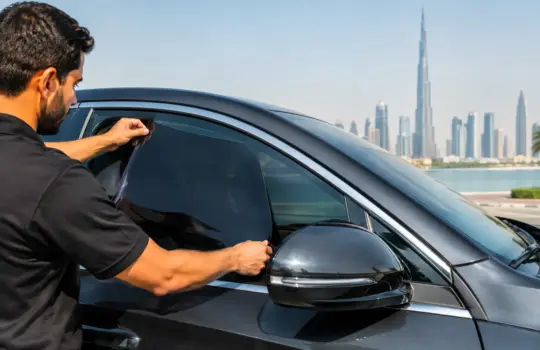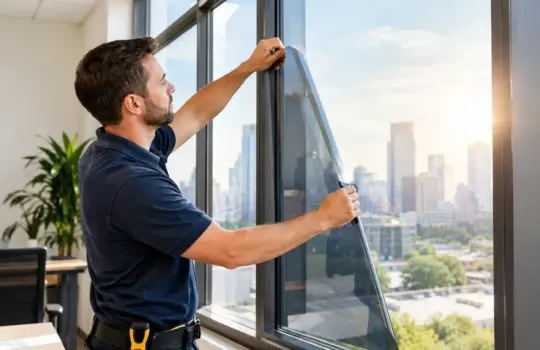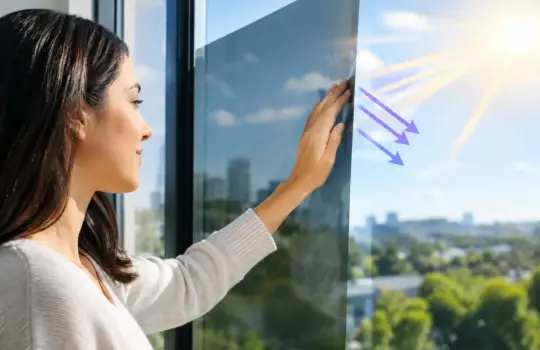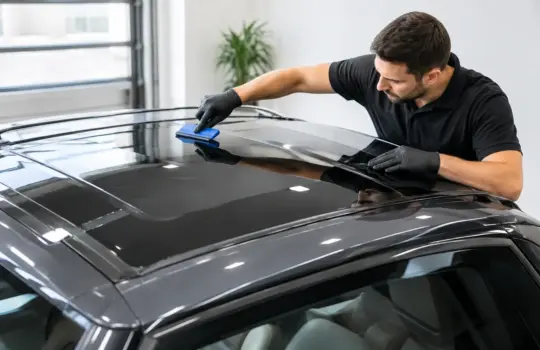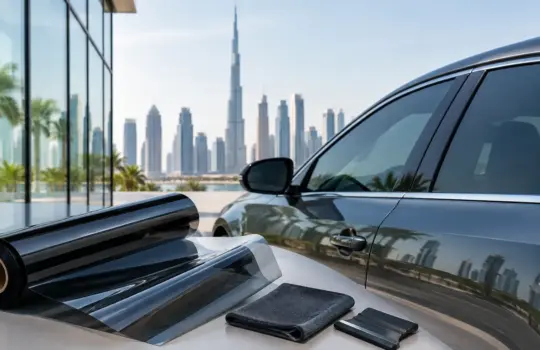
A useful solar film review should not begin with a dramatic heat-rejection percentage. It should begin with the glass in front of you, the direction it faces, and the problem you want to solve. A west-facing villa window, a yacht cabin windshield, an office with screen glare, and a daily-driven car can all need solar control, but they do not necessarily need the same film.
In the UAE, glass works hard. It brings in daylight and views, but it can also bring solar heat, uncomfortable glare, UV exposure, and a level of visibility that does not suit a bedroom, meeting room, or parked vehicle. The right film can make a meaningful difference. The wrong one can leave a room too dark, change the exterior appearance more than expected, or create avoidable compatibility concerns with certain glass types.
What a Solar Film Review Should Measure
Many film reviews focus on a single number, often infrared rejection. That number has value, particularly when comparing films in a controlled demonstration, but it is not the entire picture. Comfort behind glass is affected by the full solar load, visible light transmission, glare reduction, glass type, installation quality, and the way the space is used.
For a home or office, ask how much direct sun reaches the glass and at what time of day. A bright living area may need strong heat and glare control while retaining a natural feel. A private office may accept a darker finish in exchange for better screen comfort and daytime privacy. For a car, visibility, interior heat, appearance, and applicable tint rules all matter. On yachts, marine glazing construction, curved panels, and exposure to salt and movement need to be assessed before a recommendation is made.
A credible review also separates what can be measured immediately from what must be judged in real use. A solar transmission meter can demonstrate comparative performance through a film sample. It is useful proof that one product blocks more of a tested energy range than another. It does not, by itself, predict the exact temperature of every room or cabin after installation. Room size, air conditioning, shading, curtains, window orientation, and the existing glass all affect the result.
Heat Rejection Is More Than an IR Claim
Ceramic films are popular because they can improve heat control without relying on a heavily reflective or very dark look. In automotive applications especially, a quality ceramic film can provide useful infrared rejection while maintaining clear visibility and a refined finish.
Still, infrared rejection should be read with context. A product may promote a high IR figure measured at a specific wavelength, while the more practical question is how much total solar energy it helps reject once installed on your glass. Total solar energy rejected, often discussed as TSER, offers a broader view of solar control. It should not be treated as the only number either, but it is generally more helpful when comparing the likely heat-management effect of films with similar visible-light levels.
This is where tiered recommendations make sense. A lighter film may be the right answer when preserving daylight is the priority. A higher-performing ceramic tier may justify its cost for a vehicle that spends long hours outdoors or for a glass-heavy room with persistent afternoon sun. The best option is not automatically the highest-priced one. It is the one that addresses the real discomfort without creating a new compromise you dislike.
Glare, daylight, and appearance must work together
Glare is often mistaken for heat, but the two problems are related rather than identical. A room can feel thermally manageable yet still be difficult to work in because sunlight reflects off screens and polished surfaces. Conversely, a dark film may reduce glare but make a room feel closed in after sunset.
Visible light transmission is the specification that helps frame this trade-off. Lower transmission generally means a darker appearance and stronger glare reduction. Higher transmission keeps more natural light and can preserve open views. The appropriate level depends on the room, its interior finishes, and what is outside the glass. A panoramic view over water or a garden calls for a different approach than a utility-facing window or a glass partition where privacy is more important.
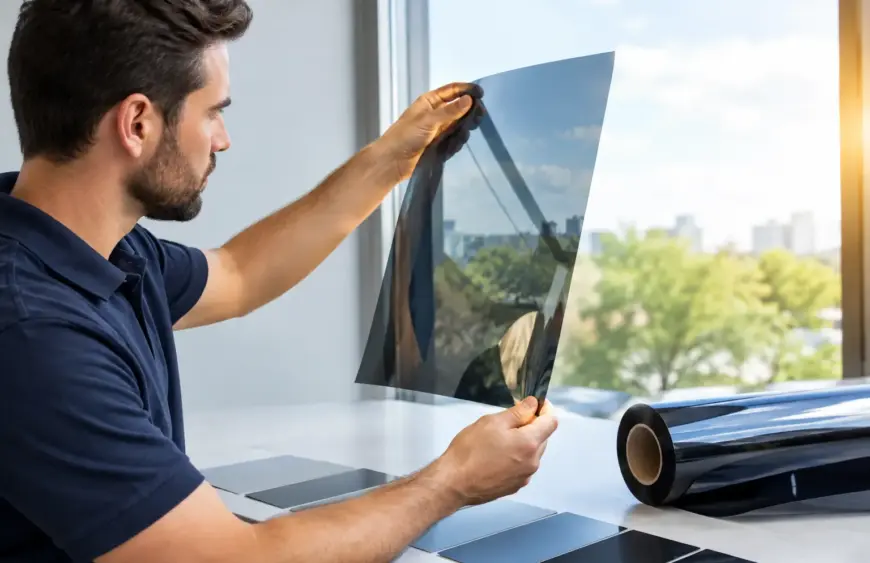
For exterior glass, appearance should be reviewed from both sides. Some films look neutral indoors but create a more reflective facade in daylight. Others have a subtle gray, blue, or warm cast. A sample placed against the actual glass is far more reliable than choosing from a small swatch under showroom lighting.
UV Protection Has a Practical Value
Solar-control films commonly block a high percentage of ultraviolet radiation. That helps protect furnishings, flooring, artwork, dashboards, and upholstery from UV-related fading and deterioration. It also reduces one source of sun exposure for people sitting near glass.
However, no responsible review should promise that film will stop all fading. Heat, visible light, material quality, humidity, and cleaning products also affect how interiors age. Think of UV-rejecting film as one sensible protective layer, particularly in sun-exposed rooms and vehicles, rather than a guarantee that fabrics and finishes will never change color.
Glass Compatibility Is Not a Detail to Skip
Not every film belongs on every pane of glass. This matters most for large residential and commercial windows, insulated glass units, laminated panels, specialty glazing, and some marine applications. Adding film changes how the glass absorbs and releases solar energy. If the film is poorly matched to the glazing, thermal stress can become a concern.
That does not mean solar film is unsuitable for these applications. It means the glass should be assessed before installation. Useful information includes the pane size, whether it is single or insulated glazing, any existing coating, visible edge markings, cracks or chips, seals, frame condition, and the amount of direct sun it receives. A site assessment can also reveal practical issues such as difficult access, high-level work, furniture clearance, or areas where a different solution is more appropriate.
Safety film and solar film should also not be treated as interchangeable. Solar film is chosen mainly for heat, glare, UV, and appearance. Safety or explosion-protection film is designed to help retain broken glass fragments under specified conditions. Some projects need both functions, but the construction and recommendation should reflect the actual risk and goal.
Installation Quality Changes the Result
Even premium film cannot compensate for poor preparation. Glass must be cleaned carefully, contaminants removed, and edges finished neatly. Dust, trapped debris, inconsistent trimming, or rushed curing guidance can undermine the appearance and lifespan of the installation.
For automotive tint, proper installation includes protecting interior surfaces, working cleanly around defroster lines and sensors where relevant, and allowing the film to cure before judging final clarity. A small amount of moisture or haze immediately after installation can be normal, especially with certain weather conditions. The installer should explain what to expect and when to raise a concern.
For homes, offices, and villas, installation planning matters just as much. Furniture may need to be moved, access equipment may be required, and sensitive finishes should be protected. Mobile installation can be convenient where conditions are suitable, but a professional should be candid if wind, dust, access, or the complexity of the glazing makes another arrangement safer for the result.
How to Compare Quotes Without Guesswork
A low quote may be perfectly reasonable if the film type, scope, and access are simple. It becomes difficult to compare when one quote lists a generic tint and another specifies performance level, visible-light option, warranty term, surface preparation, and exclusions.
Ask what film tier is being proposed and why it suits your use case. Confirm the selected shade or light transmission, the warranty duration, and whether the warranty applies to bubbling, peeling, discoloration, adhesive failure, or other defined defects. For automotive ceramic film, a clear progression in performance and warranty can help you choose with confidence. For example, Dr SunShield structures its ceramic options as DS-ONE, DS-PRO, and DS-MAX, with increasing infrared performance and three-, six-, and ten-year warranty coverage.
Also ask what the quotation includes. Removal of old film, hard-to-reach panes, unusually large glass, after-hours access, and marine-glazing work may require additional time or assessment. Clear answers before installation are better than surprises afterward.
The Right Review Ends With a Recommendation
The most useful solar film review is not a ranking of the darkest film or the largest advertised percentage. It is a recommendation that explains what will improve, what will remain unchanged, and what trade-offs come with the choice.
If your main issue is afternoon heat, prioritize solar performance and glass compatibility. If your issue is office glare, balance glare reduction with daylight. If privacy is the priority, be clear whether you need daytime privacy, nighttime privacy, or on-demand privacy, because standard reflective film cannot provide all three in every lighting condition. A good installer will say so plainly and help you choose a solution that still feels right after the first hot afternoon has passed.