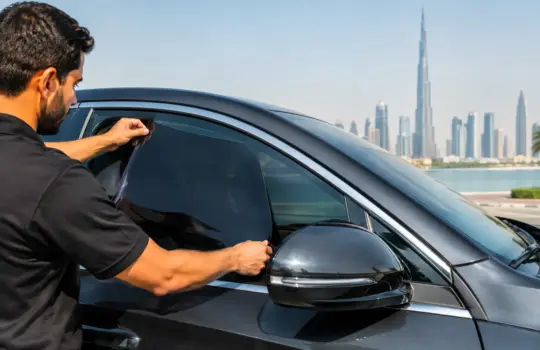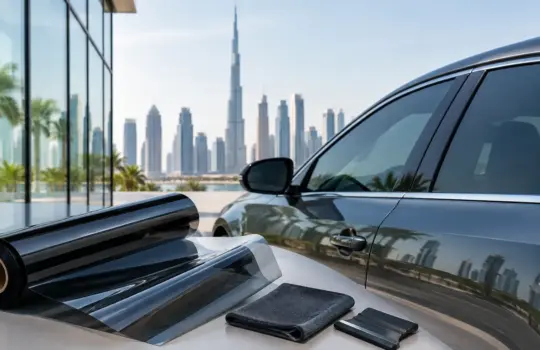
A parked car in Dubai can feel punishing within minutes. The problem is not only a hot steering wheel or uncomfortable seats. Strong solar exposure can make the cabin harder to cool, create glare on the road, and accelerate wear on leather, trim, and other interior surfaces. The right car tint options can improve that daily experience, but the darkest film is not automatically the best choice.
A useful tint recommendation starts with how you drive, where the vehicle is parked, the glass already fitted to it, and the balance you want between heat control, privacy, appearance, and clear outward visibility. That balance can look very different for a family SUV, a daily commuter, a luxury sedan, or a vehicle that spends long hours outdoors.
Start With the Problem You Want to Solve
Window film is often treated as a single product, yet it performs several different jobs. A driver who struggles with afternoon glare may need a different solution from someone whose main concern is cabin heat. Likewise, a vehicle with factory privacy glass may still benefit from a clear or light ceramic film because dark factory glass does not necessarily reject a high level of infrared heat.
Think first about your main priority. If the cabin feels hot even when the glass already looks dark, heat rejection should lead the decision. If rear-seat privacy is the concern, the visible shade of the film matters more. If you drive frequently at night or use tight parking garages, preserve clear visibility rather than selecting a shade simply because it looks darker from outside.
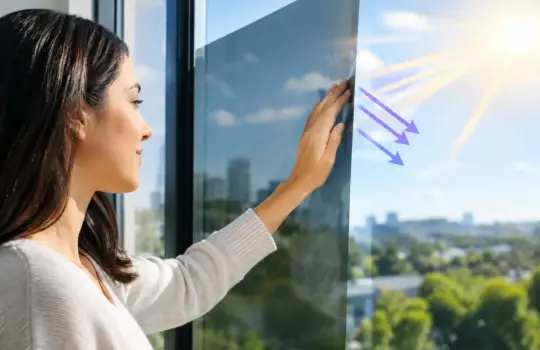
UV protection is another consideration. Quality window film can help reduce exposure to ultraviolet rays that contribute to interior fading and skin exposure during regular driving. It is a practical benefit, but it should sit alongside, not replace, a discussion about heat, glare, and legal compliance.
Car Tint Options: Dyed, Metallic, and Ceramic Film
Most vehicle tint films fall into three broad categories. The material and construction affect not only appearance, but also heat rejection, signal behavior, clarity, durability, and cost.
Dyed film
Dyed film is usually the entry-level option. It adds a darker appearance and some privacy, making it attractive when the main goal is cosmetic shading on a limited budget. Its heat performance is generally more modest than premium films, especially under the intense sun experienced across the UAE.
It can be suitable when appearance is the priority, but it may not satisfy a driver expecting a major difference in cabin comfort. Lower-grade dyed films can also be more prone to fading or changing appearance over time. The warranty terms and the quality of the adhesive matter just as much as the initial shade.
Metallic film
Metallic films use fine metal particles to reflect solar energy. They can offer respectable heat control and a reflective exterior appearance. However, that appearance is not for every vehicle owner, and metal-based construction can interfere with radio, GPS, mobile, or keyless-entry signals in some cases.
For that reason, metallic film is less commonly the first recommendation for modern vehicles packed with connected systems. The right choice depends on the vehicle and the film itself, but it is worth asking directly whether a proposed film has any potential signal considerations.
Ceramic film
Ceramic tint is typically the preferred option for drivers who want meaningful heat rejection without relying on an extremely dark finish. It uses non-metallic ceramic particles to manage solar energy, particularly infrared heat, while maintaining a clean appearance and avoiding the signal concerns associated with some metallic films.
A lighter ceramic film can often feel more comfortable than a darker basic film. That distinction matters in Dubai, where choosing tint solely by visible darkness can lead to disappointment. Darker glass may provide privacy, but it does not tell you how effectively the film manages heat.
At Dr SunShield, ceramic automotive tint is offered in clear performance tiers: DS-ONE, DS-PRO, and DS-MAX. The appropriate tier depends on the vehicle, the amount of time it spends in direct sun, and how strongly the owner prioritizes infrared heat rejection. The tiers also carry three-, six-, and ten-year warranty coverage respectively, subject to the applicable terms. A higher tier should solve a measurable need, not become an automatic upsell.
Shade Is Only One Part of Performance
Tint shade refers to visible light transmission, or how much visible light passes through the glass and film. A lower visible-light figure generally means a darker appearance. This affects privacy and glare, but it is not a complete measure of solar performance.
The other figures you may hear during a tint consultation include infrared rejection, UV rejection, and total solar energy rejection. These terms are useful, but they need context. Testing methods can differ between brands, and a headline percentage alone does not show exactly how a film will feel in every real driving condition.
A live solar-meter demonstration can help compare sample films under the same conditions. It is useful for seeing relative differences in transmitted solar energy and light. It does not replicate every factor affecting a real vehicle, including windshield angle, cabin volume, air-conditioning performance, exterior temperature, glass type, or how long the vehicle has been parked in direct sun.
Use the demonstration as one part of the decision, alongside the film specification, warranty, shade, and your practical needs.
Do Not Ignore Windshield and Night-Driving Visibility
The windshield plays a major role in the heat entering a cabin, yet it is also the glass area where optical clarity matters most. A high-quality, light ceramic windshield film may reduce heat and glare while keeping the view naturally bright. A poor-quality or overly dark film can create distortion, reflections, or reduced confidence at night.
Side and rear glass deserve the same practical thought. A driver who often travels on unlit roads, parks in dim garages, or relies on side mirrors in heavy traffic may be better served by a moderate shade with strong ceramic performance. Someone who values rear-seat privacy, particularly in an SUV, may accept a darker rear treatment while keeping the front side windows lighter.
This is where a one-shade-for-every-window approach can fall short. A well-planned installation may use different legal and practical shades across the vehicle while keeping the final look balanced.
Check Current Tint Rules Before Choosing a Shade
Vehicle tint regulations can change, and their application may depend on the vehicle type, window location, and permitted visibility. Before installation, confirm the current requirements for where the vehicle is registered and driven. A reputable installer should not encourage a choice that creates an avoidable compliance issue.
Legal compliance is only one reason to avoid excessive darkness. Very dark film can make lane changes, reverse parking, pedestrian detection, and night driving more difficult. It can also reduce the practical benefit of cameras and mirrors in low light.
If privacy is a major concern, ask whether a lighter ceramic film, rear-only privacy treatment, or a combination of factory glass and film can meet the goal without compromising the view out.
Installation Quality Changes the Result
Even an excellent film can disappoint if the glass preparation and installation are rushed. Automotive tinting requires thorough cleaning, controlled handling, accurate cutting, and careful work around seals, defroster lines, sensors, and electronic components. Dust contamination, poor edge finishing, and trapped moisture can affect the final appearance.
Some small water pockets or a slightly hazy look can be part of normal curing immediately after installation. The time required varies with film type, weather, and window position. Your installer should explain what is normal during curing, when to avoid operating the windows, and what signs warrant a follow-up inspection.
Mobile installation can be convenient, particularly for busy vehicle owners, but suitable conditions still matter. The working area needs enough space, reasonable cleanliness, and protection from conditions that could compromise the finish. Not every location is appropriate for every installation.
How to Choose the Right Tier
A sensible tint quote should explain more than a price and a shade. It should identify the film type, the planned windows, the warranty period, and the expected balance between heat control, privacy, and visibility. Ask to compare samples in daylight, not only indoors.
For a cost-conscious vehicle owner who primarily wants a cleaner look and moderate shading, an entry ceramic tier may be sufficient. For a daily driver parked outside for long periods, a stronger ceramic option can be easier to justify because cabin comfort becomes a repeated, year-round issue. For premium vehicles, frequent highway use, or owners highly sensitive to heat, top-tier ceramic film may offer the most compelling long-term value.
The best choice is rarely the darkest film or the most expensive one. It is the film that addresses the actual conditions you face every time you get behind the wheel, while keeping the vehicle safe, compliant, and comfortable to drive.