The most useful automotive tint trends are not about making a vehicle look darker. For drivers dealing with long parking hours, intense cabin heat, bright roads, and year-round UV exposure, the shift is toward films that manage solar energy while keeping the glass clear, comfortable, and appropriate for the vehicle.
A good tint decision still starts with the same practical questions: Where does the car spend its day? Is the main issue heat, glare, fading, privacy, or all of the above? And how dark can the glass be while still providing the visibility and appearance the owner wants? The current market has better answers than it did a few years ago, but it also has more confusing claims.
Automotive tint trends are moving beyond darkness
For a long time, many drivers judged tint by visible shade alone. A darker film was assumed to be cooler, more private, and more premium. Visible light transmission still matters, especially for appearance and privacy, but it does not tell the full heat-control story.
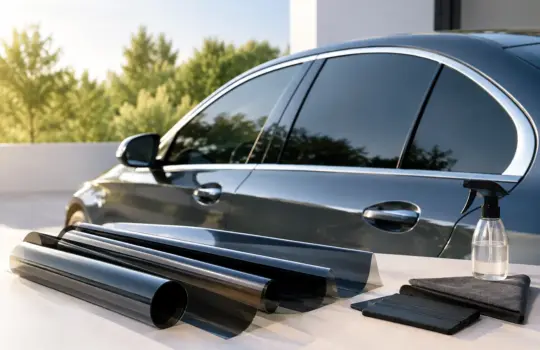
Modern ceramic films are a major reason for that change. A lighter ceramic film can reject a meaningful amount of infrared heat without making the windows look excessively dark. That gives drivers more freedom to choose a clean, factory-like appearance while improving comfort inside the cabin.
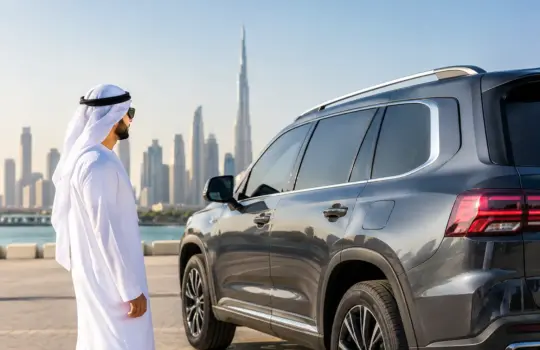
This matters in the UAE, where a vehicle can become uncomfortable quickly even after a short stop outdoors. The goal is not simply a dark interior. It is reducing the solar load entering through the glass so the air conditioning does not have to work as hard to bring the cabin back to a usable temperature.
Heat rejection is becoming the main comparison point
Customers increasingly ask about infrared rejection, total solar energy rejection, and UV protection rather than only asking for a percentage shade. That is a better starting point, provided the figures are explained honestly.
Each measurement describes something different. Visible light transmission indicates how much visible light passes through the glass and film. Infrared performance addresses a heat-related portion of solar energy. Total solar energy rejection is broader, but can vary depending on the original vehicle glass and the test conditions.
No single percentage tells the complete real-world story. A high-quality film should be considered alongside the vehicle’s glass, windshield angle, interior color, parking conditions, and the driver’s expectations. A black interior parked in direct afternoon sun presents a different challenge from a light interior parked in covered residential parking.
At Dr SunShield, a live solar-meter demonstration can help show the difference between films under the same test conditions. It is useful evidence, not a promise that every cabin will cool by an identical number of degrees. Actual comfort also depends on the vehicle, its AC system, and how long it has been exposed to the sun.
Ceramic film is replacing dyed-film expectations
Ceramic tint is now the preferred direction for owners who want performance without the drawbacks often associated with basic dyed films. It is valued for heat rejection, UV control, color stability, and a more refined finish.
The appeal is especially clear for newer vehicles with large side glass, panoramic roofs, and expansive windshields. These designs bring excellent visibility but also increase the amount of solar energy entering the cabin. Ceramic film helps address that exposure without forcing every window into a very dark shade.
That does not mean every vehicle needs the highest-performing ceramic option. Higher-spec films generally provide stronger infrared performance and longer warranty coverage, but the right tier depends on how the car is used. A daily driver parked outdoors in Dubai may justify a premium option. A second vehicle kept mostly in shaded parking may be well served by a more moderate ceramic tier.
The useful question is not, “What is your most expensive tint?” It is, “Which film solves my actual heat and visibility problem?”
Signal-friendly construction remains a priority
Drivers also expect their tint not to interfere with everyday technology. Modern vehicles rely on mobile reception, GPS, Bluetooth, keyless entry, toll tags, and integrated driver-assistance systems. Ceramic films are commonly chosen because they avoid the metallic construction that can create signal concerns in certain applications.
Compatibility should still be assessed vehicle by vehicle. Cameras, sensors, antennas, heating elements, and aftermarket accessories can be located in or near the glass. An installer should inspect these details before recommending coverage, particularly on windshields and rear glass.
Lighter, more neutral finishes are gaining ground
Another visible trend is the move away from strong color casts. Drivers are asking for neutral charcoal tones that complement factory glass instead of turning it blue, green, purple, or overly reflective.
A neutral finish is particularly popular on premium sedans, SUVs, EVs, and luxury performance vehicles, where the objective is to preserve the original design. From outside, the vehicle looks finished and private. From inside, the driver retains a more natural view of the road.
There is a trade-off. Very dark film can improve perceived privacy, but it can reduce nighttime visibility and alter the look of the vehicle more dramatically. Lighter ceramic films may provide a more understated result and better outward visibility, while still delivering meaningful heat and UV benefits.
For many owners, the most balanced result is not the darkest option. It is a consistent shade across the appropriate windows, selected around how the vehicle is driven after sunset as well as during the day.
Windshield tinting requires more judgment, not more sales pressure
The windshield is where blanket recommendations become risky. It is also the largest piece of glass facing direct sun, so drivers understandably ask about heat control there.
A suitable windshield film should prioritize clarity and safe visibility. It must be evaluated against applicable local requirements, the vehicle’s sensor layout, and the driver’s comfort in low-light conditions. Laws and enforcement practices can change, so vehicle owners should verify current tint rules before installation rather than relying on old advice or a friend’s experience.
The same care applies to areas around cameras, rain sensors, head-up displays, and inspection stickers. A professional installation is not only about applying film cleanly. It is about identifying where film can be used appropriately and where a cutout, a different film, or no film is the better decision.
EVs and panoramic roofs are changing the conversation
Electric vehicles have made cabin heat management more visible. Drivers notice how heavy AC use can affect energy consumption, especially during hot-weather commutes and while waiting in the car. Window film will not replace air conditioning or transform a vehicle’s range, but reducing solar heat entering through the glass can improve perceived comfort and reduce the initial burden on the climate-control system.
Panoramic roofs present a similar case. They create an open, premium cabin feel, but they can also add overhead heat and glare. The best approach depends on the roof glass itself, any factory coating, the sunshade arrangement, and the owner’s tolerance for changing the roof’s appearance.
Some owners benefit from a carefully selected film. Others may find that the factory glass and shade already meet their needs. The glass should be assessed before work begins, rather than treating every panoramic roof as identical.
Installation quality is becoming part of the product
As film technology improves, installation standards matter even more. A premium film can still disappoint if the glass is poorly prepared, edges are rushed, contaminants are trapped, or the vehicle is returned without clear aftercare instructions.
Clean installation conditions, careful surface preparation, appropriate curing guidance, and transparent warranty information are not extras. They influence the finish you see every day. Small details such as dust control, edge alignment, and working safely around door panels or defroster lines separate a tidy result from a job that feels temporary.
Mobile installation can be convenient, but the location must be suitable. Wind, dust, limited access, extreme exposure, and insufficient working space can affect whether mobile fitting is appropriate. A candid installer should explain those limitations and recommend a controlled environment when that is the better route.
Choose a trend that still works next summer
The lasting direction in automotive tint is simple: clearer films with smarter heat control, neutral appearance, and recommendations based on the vehicle rather than a generic package. The right tint should feel like a considered improvement every time you open the door after the car has been sitting in the sun – not just a darker look on the day it is installed.