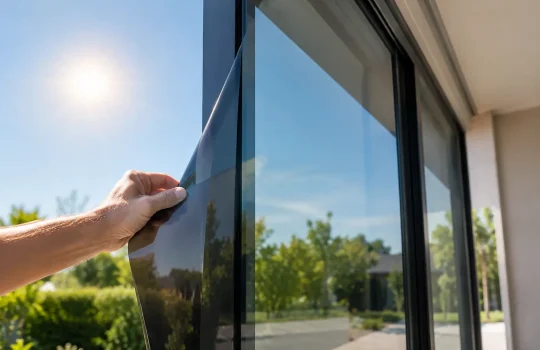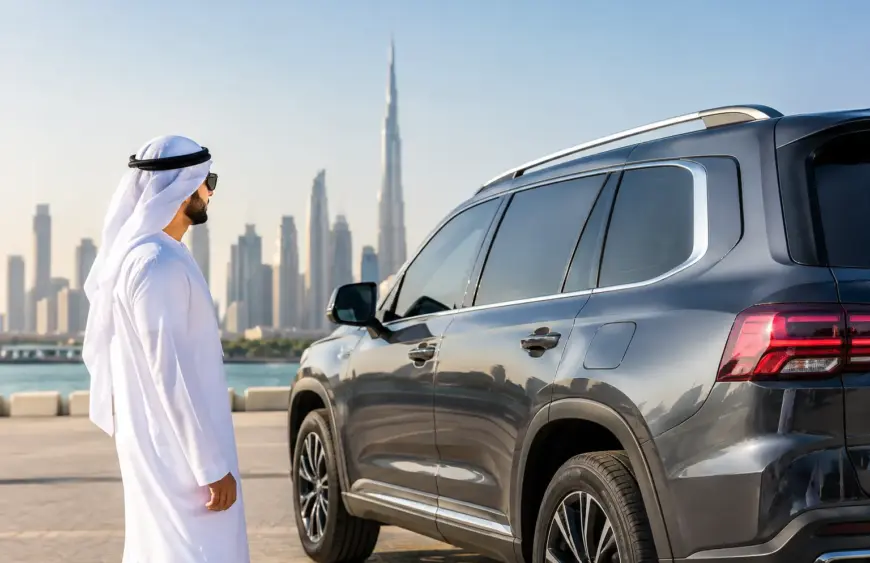
A large SUV can feel like a glasshouse when it has been parked outside in Dubai for an hour. The cabin is bigger, the windows are taller, and rear passengers often receive direct sun through wide side glass. So, which tint suits SUVs? The answer is rarely just “the darkest one.” The right choice balances heat rejection, safe visibility, privacy, the SUV’s appearance, and the way you actually use it.
For most UAE SUV owners, a quality ceramic film in a medium shade is the most practical starting point. It can noticeably reduce solar heat and glare without making evening driving, parking garages, or reversing unnecessarily difficult. But shade is only one part of the decision. A lighter ceramic film can outperform a darker basic film when heat rejection is the real priority.
Which Tint Suits SUVs for UAE Heat?
SUVs commonly have a larger glazed area than sedans, particularly at the rear. Add a panoramic roof, third-row seating, or rear quarter windows, and more solar energy enters the cabin throughout the day. That is why the film’s heat-control specification matters more than its visible darkness alone.
Tint darkness is typically described by visible light transmission, or VLT. A lower VLT number means less visible light passes through the glass and the film appears darker. While a darker shade can offer more privacy and reduce harsh brightness, it does not automatically provide the best infrared heat rejection.
Ceramic tint is often the better fit for an SUV because it is designed to reject heat without relying on a heavily dark appearance. It also avoids the signal interference that can be a concern with some metallic films. This matters for vehicles that depend on mobile reception, GPS, keyless entry, toll tags, or connected-car features.
A practical recommendation often looks like this: choose a moderate shade for the front side windows where clear vision matters most, then consider a slightly darker shade for the rear side and cargo-area glass if privacy is a priority. The exact combination should be checked against current local vehicle-tint rules before installation. Regulations can change, and factory privacy glass may affect how the final result appears.
Start With How Your SUV Is Used
The best tint for a family Land Cruiser, a luxury Range Rover, and an off-road Patrol may not be identical, even if they all spend time in the same sun. The useful question is not simply, “How dark should it be?” It is, “What problem do I want the film to solve every day?”
Daily commuting and city parking
For drivers moving between home, office parking, school runs, and city traffic, heat comfort and clear outward visibility should lead the decision. A lighter or medium ceramic shade can reduce glare and help the air-conditioning system recover more quickly after the vehicle has been parked, while keeping the cabin open and natural-looking.
This is often the right direction for drivers who regularly enter basement parking, drive at night, or use 360-degree cameras. Cameras help, but they do not entirely replace clear vision through the side glass in low light.
Family SUVs with children or rear passengers
Rear-seat comfort is usually the deciding factor for family vehicles. Young passengers can sit beside a large window for long journeys, and a baby sunshade only covers part of the exposure. Ceramic film can reduce solar load across the entire window while filtering UV exposure and cutting uncomfortable glare.
A medium-to-darker rear shade may make sense here, especially when the rear glass is already factory tinted. However, it is worth viewing a sample against the actual vehicle glass. Factory privacy glass and applied window film do different jobs, and their combined appearance can be much darker than expected.
Luxury SUVs and appearance-led choices
On premium SUVs, tint is part of the vehicle’s finish. A deep, even shade can complement black trim, dark wheels, or a black interior, while a lighter film can preserve the clean factory look of a white, silver, or light-interior vehicle.
Appearance should not override usability. A film that looks excellent in daylight but feels restrictive at night can become frustrating. A professional consultation should include viewing film samples from inside and outside the vehicle, not just choosing from a shade chart.
Off-road, desert, and long-distance driving
SUV owners who drive long distances or spend time outdoors may prioritize heat reduction over privacy. In this case, a high-performance ceramic film with strong infrared rejection can be more valuable than chasing the darkest possible shade. The vehicle remains cooler and glare is reduced, but cabin visibility stays more manageable when returning after sunset or navigating unlit roads.
Do Not Judge Tint by Shade Alone
Two films can look nearly identical from the outside but perform very differently in the sun. That is why a quote should identify the film tier and its stated performance, not just describe it as “dark tint” or “ceramic tint.”
At Dr SunShield, the ceramic range is structured around different performance needs: DS-ONE, DS-PRO, and DS-MAX offer increasing levels of infrared heat rejection with three-, six-, and ten-year warranty coverage. The most expensive option is not automatically the right one. A vehicle parked outdoors all day in an exposed location may justify a higher heat-rejection tier, while a lightly used SUV kept in covered parking may be well served by a more economical option.
A solar-meter demonstration can help compare samples and show how much solar transmission is reduced through each film. It is a useful way to compare materials under the same conditions. It is not a promise that the cabin will reach a specific temperature, since cabin heat also depends on glass area, windshield angle, interior color, parking orientation, ventilation, and how long the SUV has been in the sun.
Consider the Windshield and Panoramic Roof Separately
The windshield and panoramic roof deserve their own discussion. These areas receive significant direct sun, but the right solution depends on visibility requirements, glass construction, and vehicle use.
A clear heat-rejection windshield film may be an option where permitted and appropriate, offering solar control with minimal change to visible light. It should be selected and installed carefully because windshield clarity is critical, especially at night and in rain. Any legal limitations must be confirmed first.
For panoramic roofs, heat is often felt most strongly by front and second-row passengers. A suitable roof film can reduce perceived radiant heat and glare, but glass compatibility needs checking. Some automotive glass has coatings, sensors, antenna elements, or construction details that influence the recommended film. A proper installer will assess the vehicle rather than applying the same roof solution to every model.
What a Good SUV Tint Installation Should Include
Film quality matters, but installation quality determines whether it continues to look right. SUV windows often have complex seals, large rear panes, tight trim, and curved glass. Rushed preparation can leave contamination, visible edges, or poor adhesion around difficult areas.
A careful installation begins with inspecting the existing glass and discussing factory tint, old-film removal, scratches, defroster lines, and access around trims. The glass is then cleaned and prepared before the film is precisely cut, installed, and finished. Aftercare guidance is also useful because temporary haze or small moisture pockets can be part of the normal curing process, particularly in certain weather conditions.
Mobile installation can be convenient for eligible locations, but the working environment still matters. Dust, wind, poor lighting, and limited access can affect whether mobile fitting is appropriate. A candid installer should say when a controlled installation setting is the better choice.
The Sensible Choice Is Usually Medium Shade, High Performance
For many SUV owners, the strongest all-around choice is not the darkest film available. It is a quality ceramic tint with the heat-rejection level suited to the vehicle’s exposure, paired with a shade that remains comfortable for the driver after dark.
Before selecting a film, look at your actual routine: where the SUV is parked, who rides in the rear, how often you drive at night, whether the glass already has factory privacy tint, and how much appearance matters to you. Then compare real samples, ask for the film tier and warranty in writing, and choose the option that makes the vehicle more comfortable without creating a new visibility problem.