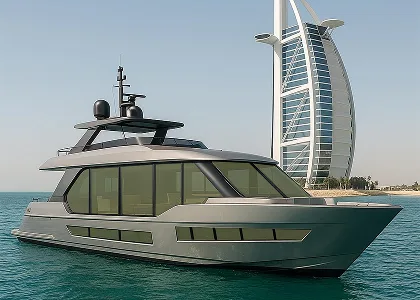
Yacht tinting from AED 90/m²

On-site vessel and marina assessment

Yacht Window Tinting in Dubai

Dr SunShield provides on-site yacht and boat window tinting for suitable marine glazing, helping reduce solar heat, glare and UV while improving daytime privacy. We assess the vessel and every glazing material first, then recommend what genuinely suits it.

Genuine customer reviewsReal yacht projectsLive meter comparison where available

Benefits of yacht window film

More Comfortable Cabins and Saloons

On a sun-exposed vessel, the right film may help with several everyday problems, depending on the film, glazing material and conditions.

01

Solar Heat

May help reduce solar heat through suitable treated marine glazing.

02

Glare

Can reduce glare near seating, screens and other suitable interior areas.

03

UV

Can help reduce UV exposure and slow UV-related fading of yacht interiors.

04

Comfort

May improve comfort around sun-exposed cabin and saloon windows.

05

Daytime Privacy

Can improve daytime privacy depending on the film and lighting conditions.

06

Appearance

Creates a cleaner, more consistent look inside and outside the vessel.

We set realistic expectations rather than promising fixed results. The survey confirms what a specific film can reasonably do on the vessel's actual glazing.

Where yacht film may be used

Interior Marine Glazing, Assessed Area by Area

Film may suit several interior vessel areas, but every panel remains subject to glazing and safety assessment.
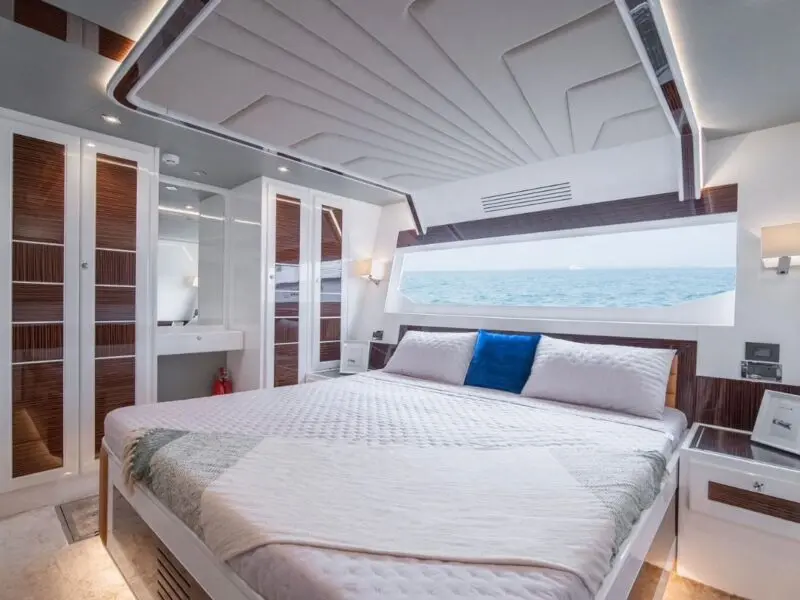
  • Saloon windows
  • Cabin windows
  • Galley glazing
  • Portlights
  • Non-navigational deckhouse glazing
  • Suitable interior partitions
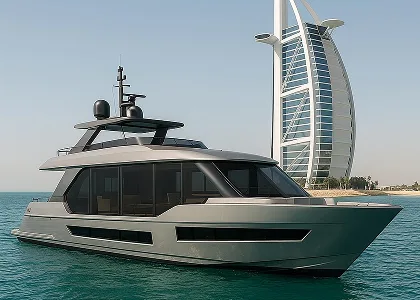
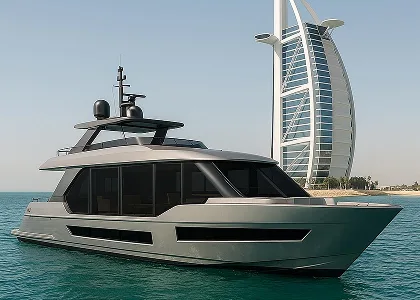
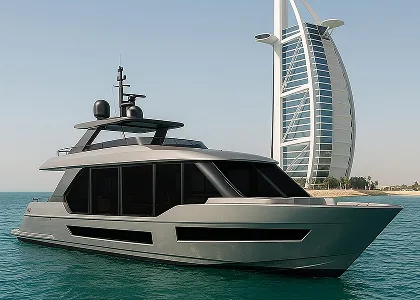
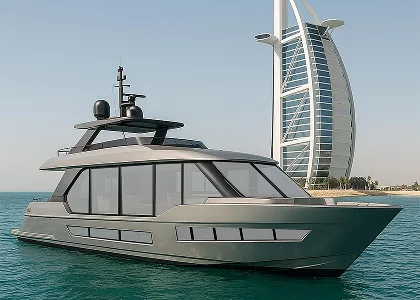
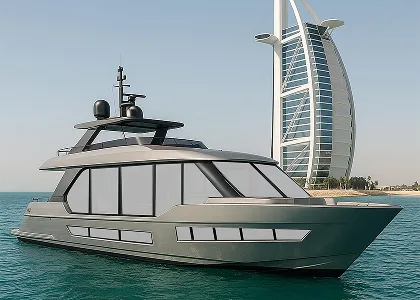
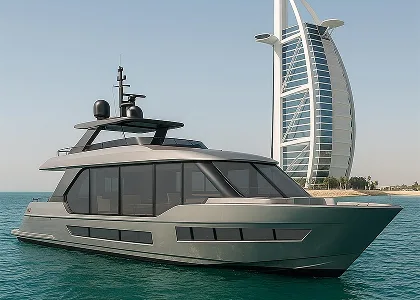
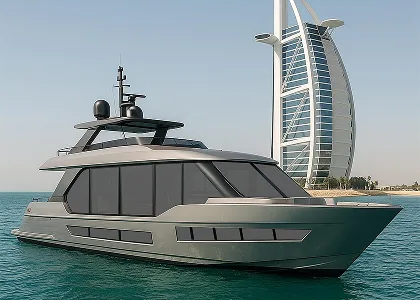
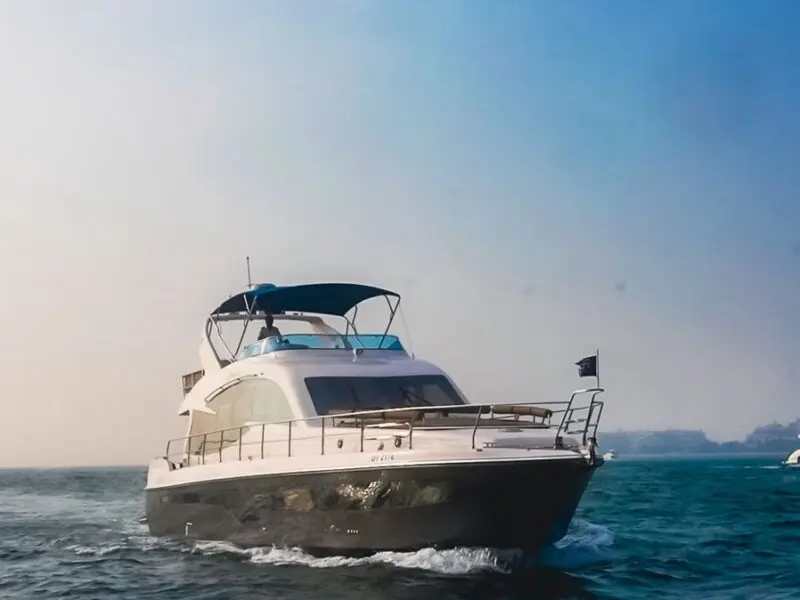
Yachts moored at a marinaYacht glazing with a lighter appearanceYacht glazing with a darker appearance

Current visual references

Compare Yacht Tint Appearances

Use the current previews to compare how different finishes and visual shade levels may change the vessel's appearance.
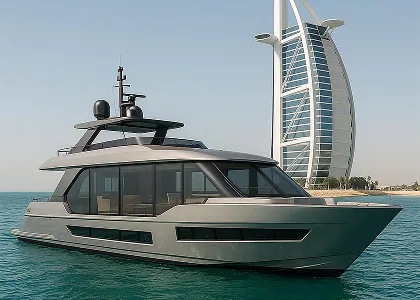
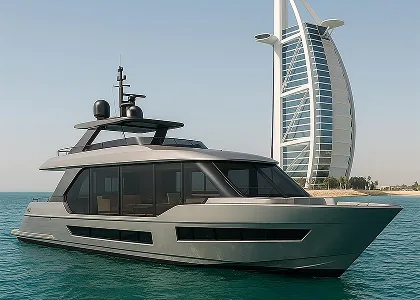
Important: these are visual references from the current page, not guaranteed marine-film specifications. Final material compatibility, film, finish, shade and approval are confirmed vessel by vessel.
Black yacht tint at the current 0 percent visual reference

0% Visual Reference

The lightest current Black appearance preview.

From AED 90/m²Book Survey
Black yacht tint at the current 10 percent visual reference

10% Visual Reference

A subtle Black appearance preview.

From AED 90/m²Book Survey
Black yacht tint at the current 30 percent visual reference

30% Visual Reference

A balanced Black appearance preview.

From AED 90/m²Book Survey
Black yacht tint at the current 50 percent visual reference

50% Visual Reference

A darker Black appearance preview.

From AED 90/m²Book Survey
Black yacht tint at the current 70 percent visual reference

70% Visual Reference

The darkest current Black appearance preview.

From AED 90/m²Book Survey

Marine glazing and safety assessment

Assessed Vessel by Vessel

Marine glazing varies in material, shape, coating and function. Before recommending anything, we confirm what each panel is — and which areas must be treated separately so safe vessel operation always comes first.

Glazing We Identify First

Glass Systems

Tempered, laminated, double-glazed and other glass systems require identification and compatibility assessment.

Special Panels

Curved, coated or heated glazing can behave differently and needs careful confirmation.

Plastic Glazing

Acrylic and polycarbonate may not suit film or adhesive designed for glass, so material verification comes first.

Existing Condition

Damage, scratches, crazing, frames and seals can affect whether treatment is suitable.

Safety-Critical Areas Kept Separate

Heat, glare, UV and privacy expectations

Clear Expectations Before Installation

Film can help on suitable glazing, but it does not remove every effect of the sun or replace a dedicated safety or privacy system.

Performance

Helpful, Not Absolute

Results vary with the film, glazing material, orientation and vessel use. We do not promise a fixed cabin-temperature drop or a fuel, generator or air-conditioning saving.

Privacy

Day and Night Behave Differently

Reflective privacy can reverse after dark when cabin lights are on. The result also depends on marina lighting, viewing angle and distance, so permanent one-way privacy is not promised.

Safety

Solar Film Is Not Security Film

Ordinary solar and privacy film is not shatterproof, impact-resistant, storm-resistant or intrusion-resistant. Specialist marine safety systems require confirmed products and supporting evidence.

Available film tiers

DS-ONE, DS-PRO and DS-MAX

The film tier, shade and warranty are confirmed only after the marine glazing has been assessed and the application is shown to be suitable.

Top tier

DS-MAX

10-year product warranty where eligible

The top film tier, assessed vessel by vessel before any recommendation is made.

Essential tier

DS-ONE

3-year product warranty where eligible

A starting film option where the material, application and marine conditions are eligible.

Marine conditions and glazing type can affect product and warranty eligibility. Exact coverage, shade, performance data and warranty terms are explained before booking.
Live on-site reading: direct sun, then the same sensor behind Nano Ceramic film.

Practical comparison

Solar-Meter Demonstration

Where relevant and available, we may compare a treated and untreated sample with a handheld solar transmission meter so you can watch a simple, in-person demonstration.

Important limitationThe comparison is not laboratory, maritime or classification certification. It does not prove navigation compliance, glazing compatibility, a fixed temperature reduction, energy or fuel savings, or film lifespan.

How the yacht process works

Four Phases From Vessel Details to Handover

The process is designed to confirm glazing, safety areas, marina access and installation conditions before work begins.

Phase01

Vessel Details

Step 1

Contact Us

Tell us about the yacht or boat.

Step 2

Share Glazing Details

Provide vessel and window information.

Step 3

Send Photographs

Show the glazing and intended areas.

Phase02

Survey & Assess

Step 4

Arrange Survey

Plan a vessel or marina assessment.

Step 5

Assess Glazing

Check materials and safety-critical areas.

Step 6

Confirm Access

Review marina and installation conditions.

Phase03

Recommend & Book

Step 7

Recommend Film

Match a suitable film to the glazing.

Step 8

Receive a Quote

Get a clear project quotation.

Step 9

Schedule Work

Agree the berth, access and timing.

Phase04

Install & Handover

Step 10

Protect & Prepare

Protect the interior and prepare glazing.

Step 11

Install & Inspect

Fit and check the selected film.

Step 12

Aftercare

Receive care and warranty guidance.

Installation is normally planned while the vessel is safely stationary at an approved berth, marina or another suitable location, subject to access and client confirmation.

Yacht tinting pricing

Marine window tinting fromAED 90/m²

The final quotation is confirmed after the vessel survey because marine glazing and access can differ significantly from project to project.

Pricing and quote factors

What Shapes a Yacht Tinting Quote

A vessel survey confirms both the material suitability and the practical installation requirements.

01

Glazing Material

Whether the panels are glass, acrylic, polycarbonate or another confirmed material.

02

Panel Condition

Existing coatings, damage, scratches, crazing, frames and seals.

03

Film & Geometry

The selected film and the number, size, shape and curvature of the panels.

04

Vessel Access

Marina rules, berth access, working space and how the installation areas are reached.

05

Project Conditions

Interior protection, preparation, scheduling and any special installation requirements.

Book On-Site Survey

Warranty, aftercare and real proof

Support After the Yacht Leaves the Berth

Where the work and material are eligible, we explain the warranty, provide care guidance and let real yacht projects support the quality of our work.

01

Eligible Warranty Coverage

Film and installation may carry 3, 6 or 10 years of coverage depending on the film, glazing and marine eligibility. Exact terms are confirmed before booking.

02

Marine Aftercare Guidance

We explain film settling, cleaning and care in the context of the vessel and marine environment.

03

Reviews and Yacht Projects

Our work is best judged through genuine customer reviews, real yacht projects and before-and-after results.

Yacht and marine tinting questions

Frequently Asked Questions

Clear answers about marine glazing, plastic panels, wheelhouse windows, heat, privacy, pricing and the marine environment.

What type of yacht windows can be tinted?

It depends on the vessel and glazing. Film may suit many saloon, cabin and galley windows, portlights and some non-navigational deckhouse glazing. Every panel is assessed first because glass, acrylic, polycarbonate, curved and coated materials can behave differently. Bridge, wheelhouse and other safety-critical areas are handled separately.

Can film be applied to acrylic or polycarbonate yacht windows?

Not automatically. Film and adhesive made for glass may not suit acrylic or polycarbonate and can affect the surface, bonding or expected performance. We confirm the exact material, coatings and condition before recommending anything.

Can wheelhouse or bridge windows be tinted?

These areas are treated with caution and are not tinted by default. Visibility and safe vessel operation come first. Depending on the yacht, confirmation may be required from the owner, captain, yacht manager, manufacturer, refit contractor, insurer or another relevant party.

How much heat can yacht window film reduce?

Film can help reduce solar heat through suitable glazing, but the result depends on the exact film, glazing material, orientation and vessel use. We do not publish a fixed yacht heat figure without supporting data for the selected product and application.

Does yacht window tint provide privacy at night?

Not consistently. Reflective or tinted film can improve privacy during the day, but after dark with cabin lights on, the effect may reverse. Marina lighting, viewing angle and distance also affect the result. Blinds, shades or a suitable switchable solution may work better for consistent privacy.

How much does yacht window tinting cost in Dubai?

Yacht tinting starts from AED 90 per square metre and is confirmed after survey. The cost depends on the glazing material and condition, film, number and shape of panels, marina access and installation requirements.

Is the film suitable for the marine environment?

We select film appropriate for the specific marine application and glazing, then set realistic expectations for sun exposure, salt, privacy and warranty eligibility before recommending it.

BOOK NOW